
OUR WORK
Rural Development
Water Changes What a Village Can Hold.
Across rural Nashik, we’ve seen that lasting change rarely comes from one intervention alone. It grows through the things that shape everyday village life — water that stays in the ground, land that can hold the monsoon, streets that remain lit after sunset, trees that are given time to grow, and communities that come together to find what works for them.
01
WATER & LAND
The work begins with water.
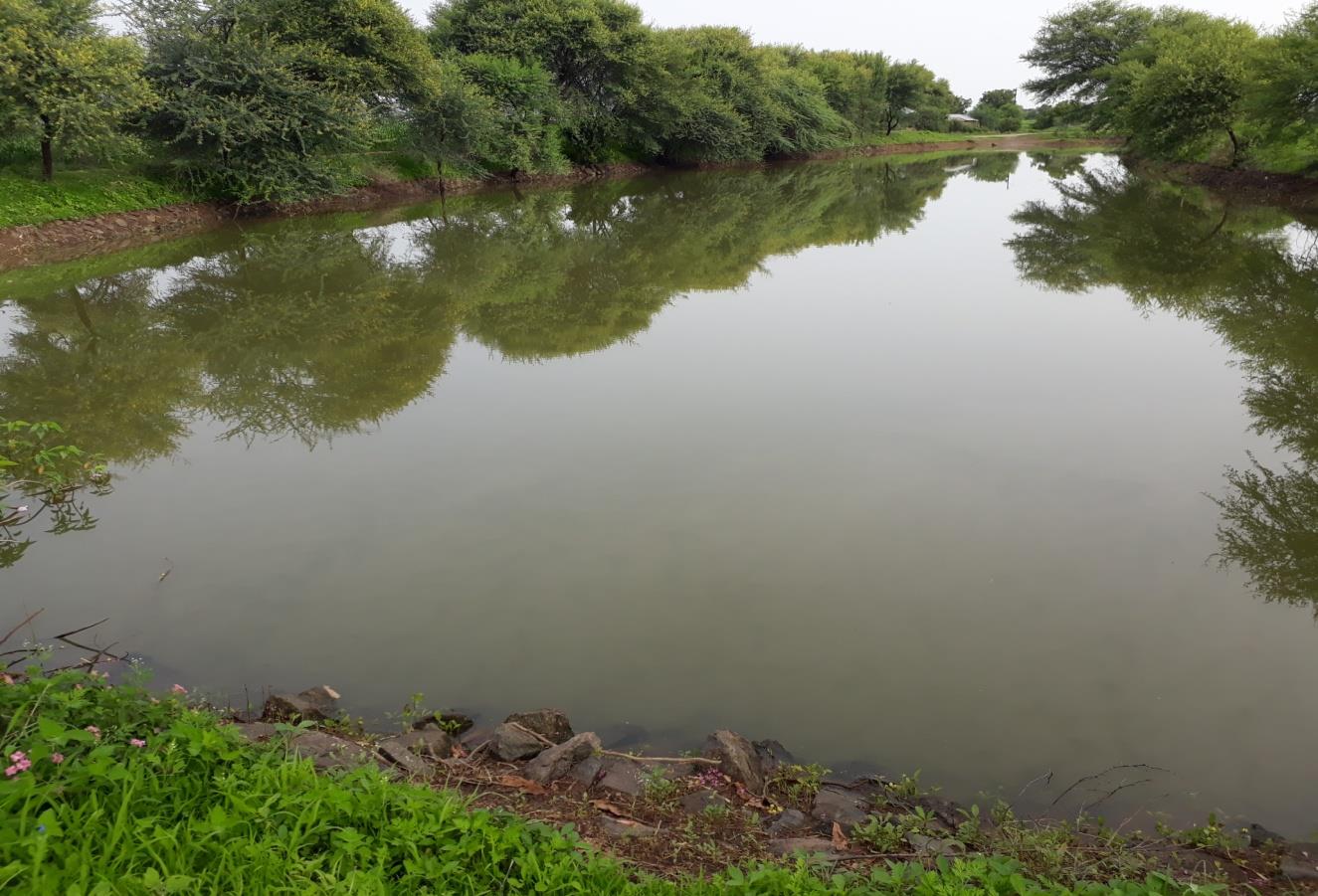
When we spent time in villages like Dhaveleshwar, one thing became clear: the monsoon could bring water, but keeping it there was another challenge. Rainwater could move quickly across slopes and through streams, taking soil and silt with it. By the time the dry months arrived, much of what had fallen from the sky had already left the land.
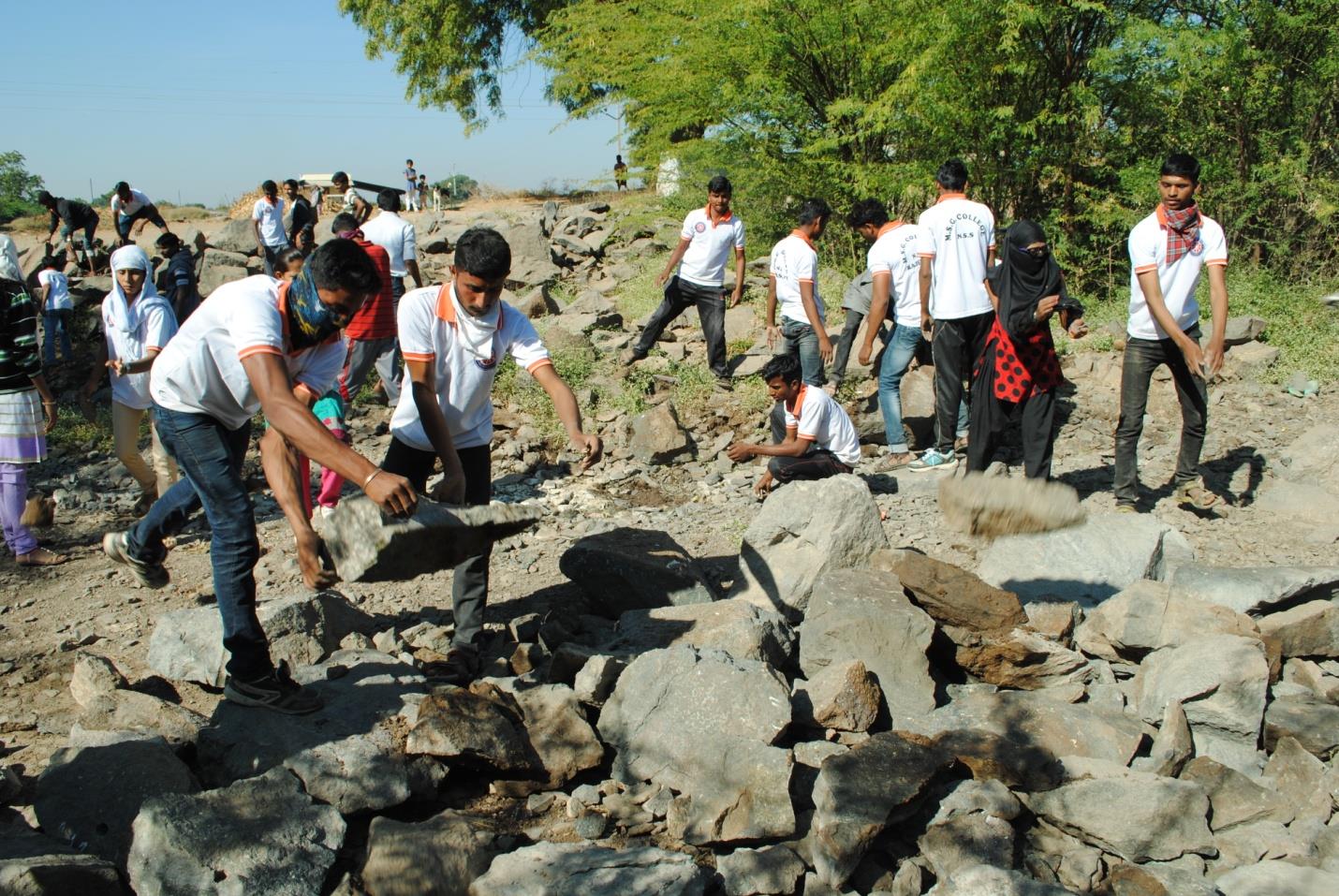
That shaped the way we approached water management. Through silt removal, nala bunding and Vanrai Bandhara, we worked on ways to slow that movement and give rainwater more time to remain within the landscape.
They are simple interventions, closely connected to the land itself. But sometimes the most meaningful change begins with something simple: helping water stay where it is needed.
“We used to measure the year by how long the well lasted. Some years it was March. Some years, if we were lucky, it made it to April.”
— A farmer in Dhaveleshwar, Nashik district
LETTING THE LAND HOLD THE RAIN
Working with the way the land already behaves.
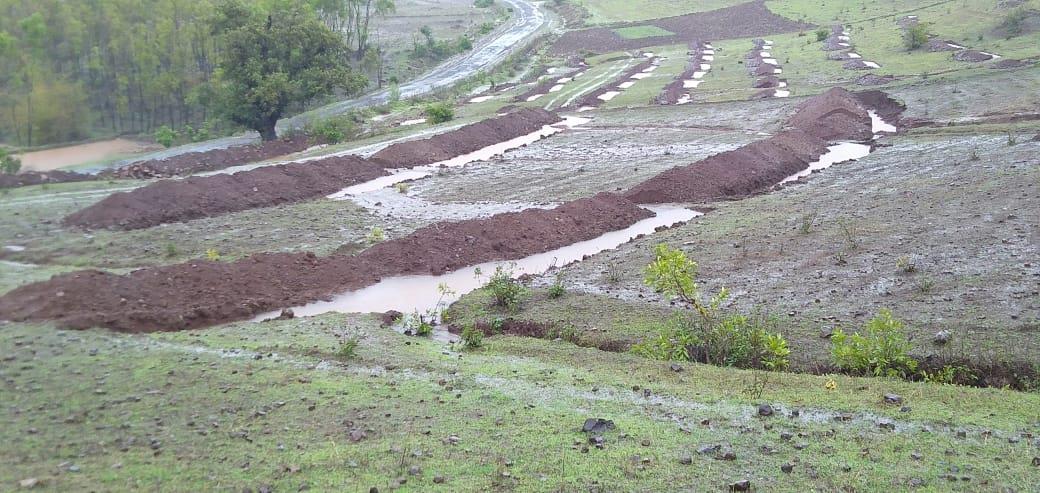
In DivyachaPada, Deep CCT Excavation and Water Recharge work follows the natural contours of the land. By slowing rainwater as it moves downhill, the trenches give more of it time to enter the ground rather than simply running away.
02
EVERYDAY INFRASTRUCTURE
Development is more than water.
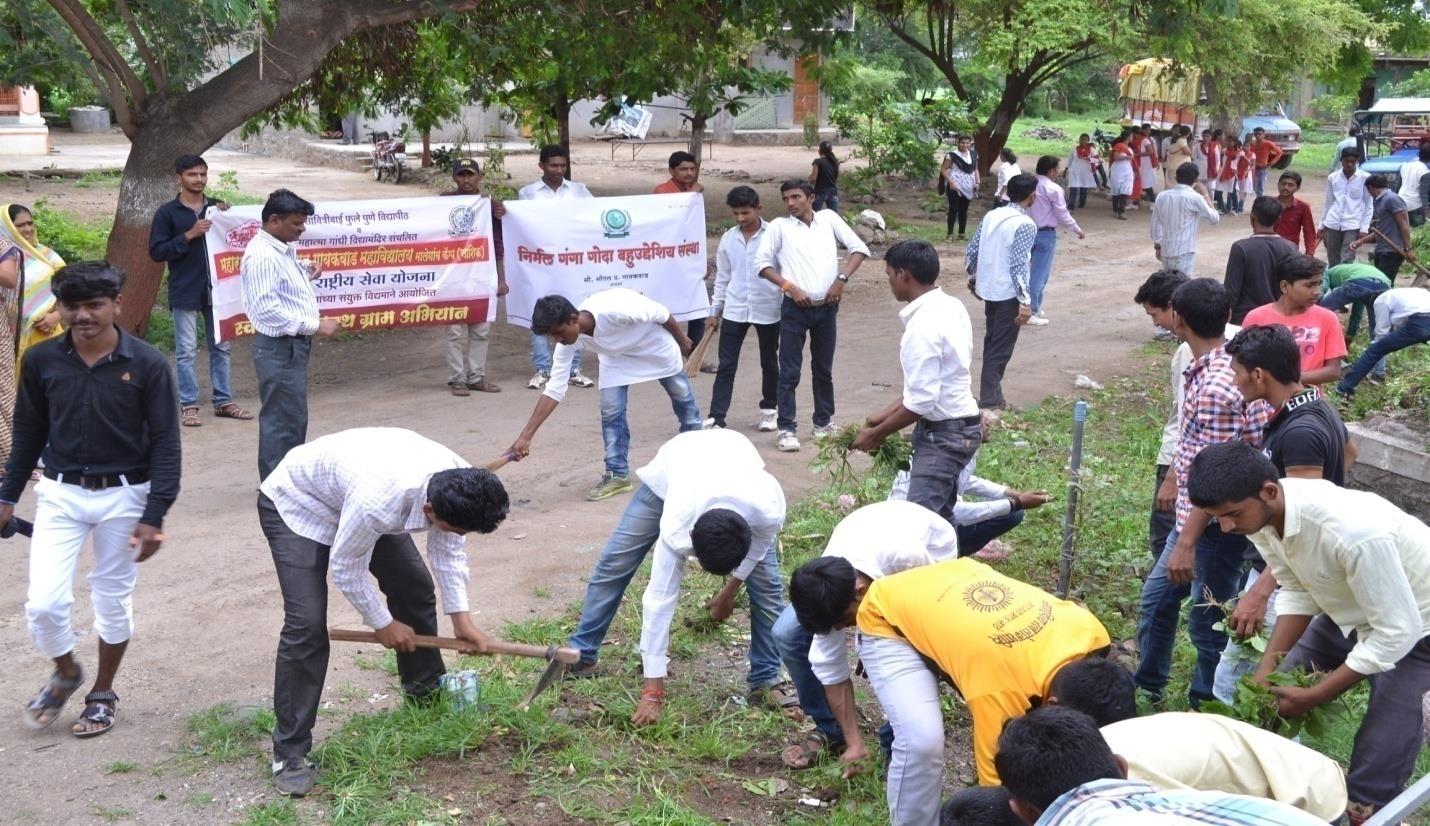
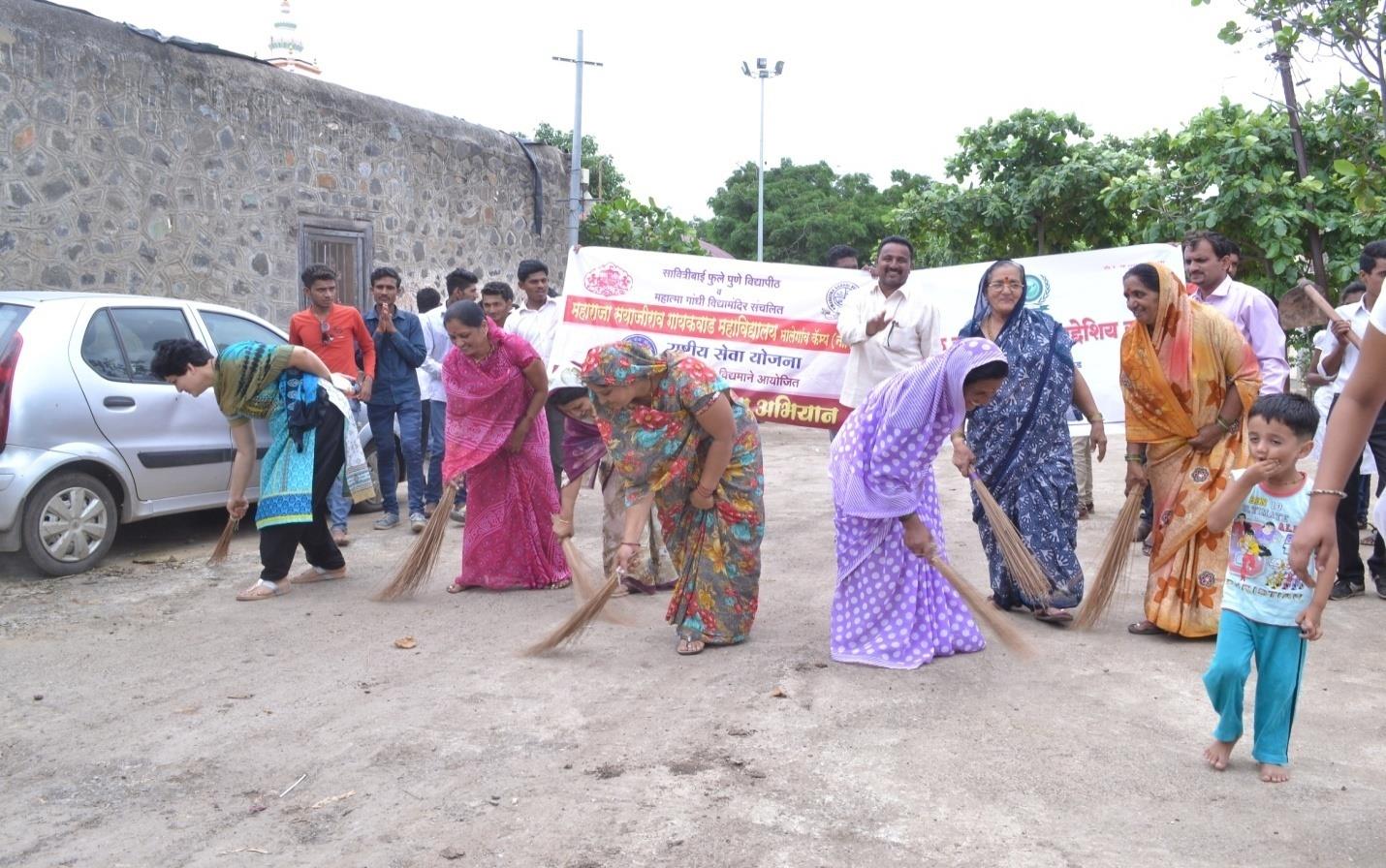
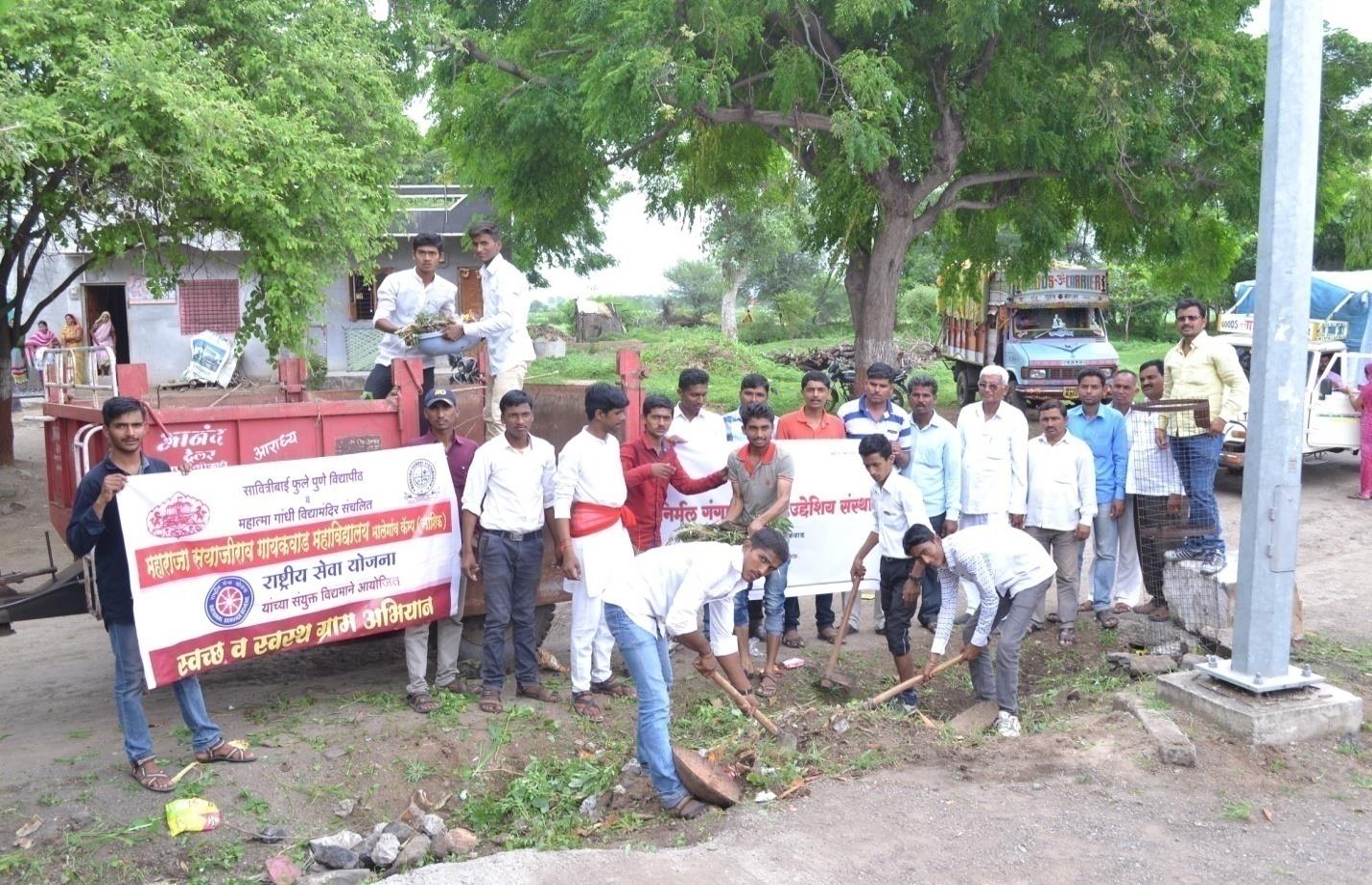
As we worked alongside communities, it became clear that village development also lives in the details of everyday life. In Dhaveleshwar, solar street lights, cleanliness activities and conversations around rural housing became part of a wider effort to strengthen the village around the people who live there.
These may seem like separate things, but together they shape how a village functions — how people move through it, use its spaces and think about what can improve next.
When the sun goes down,
the village doesn’t have to.
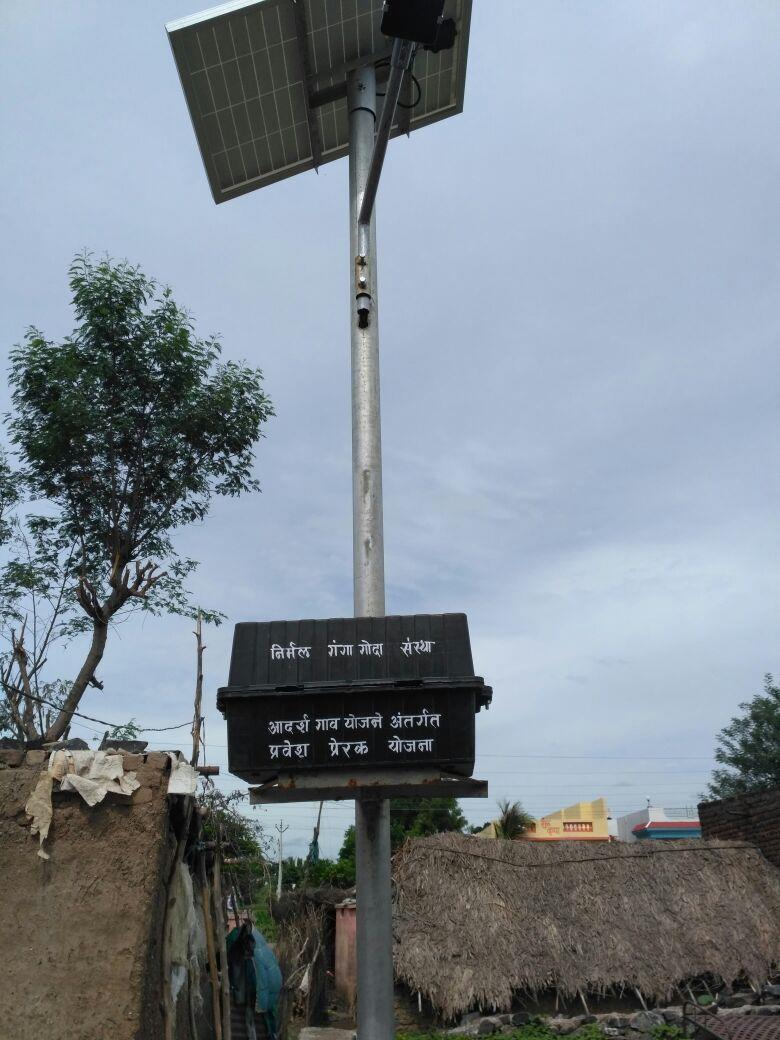
Solar street lights bring clean energy and dependable light to Dhaveleshwar — one practical change that becomes part of everyday life.
03
PLANTING FOR A FUTURE WE MAY NOT SEE
A tree is one of the simplest ways to think about rural development.
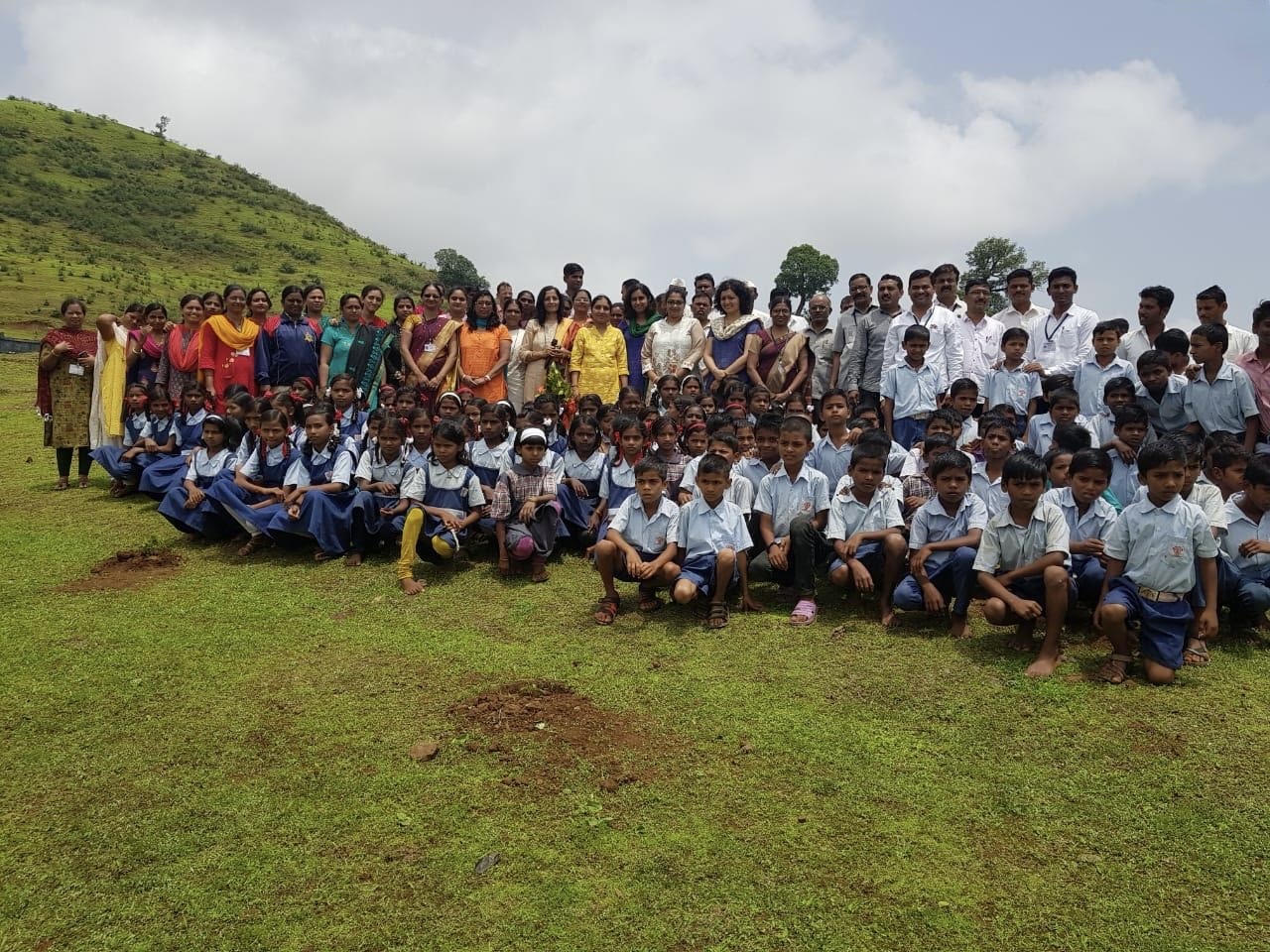
Our tree plantation activities have included World Environment Day, the Van Mahotsav Tree Plantation Drive in 2017, and plantation activities in DivyachaPada involving students.
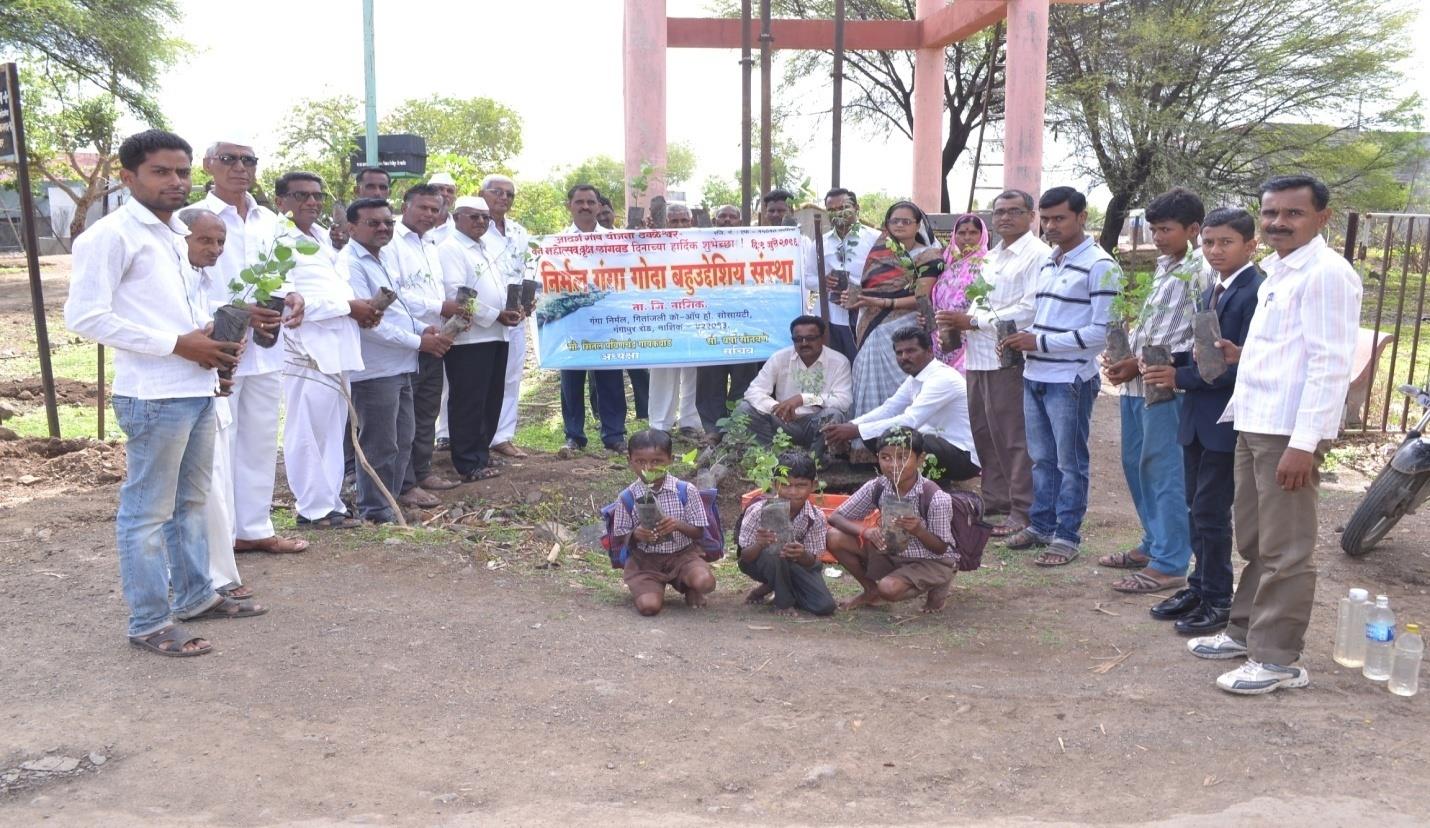
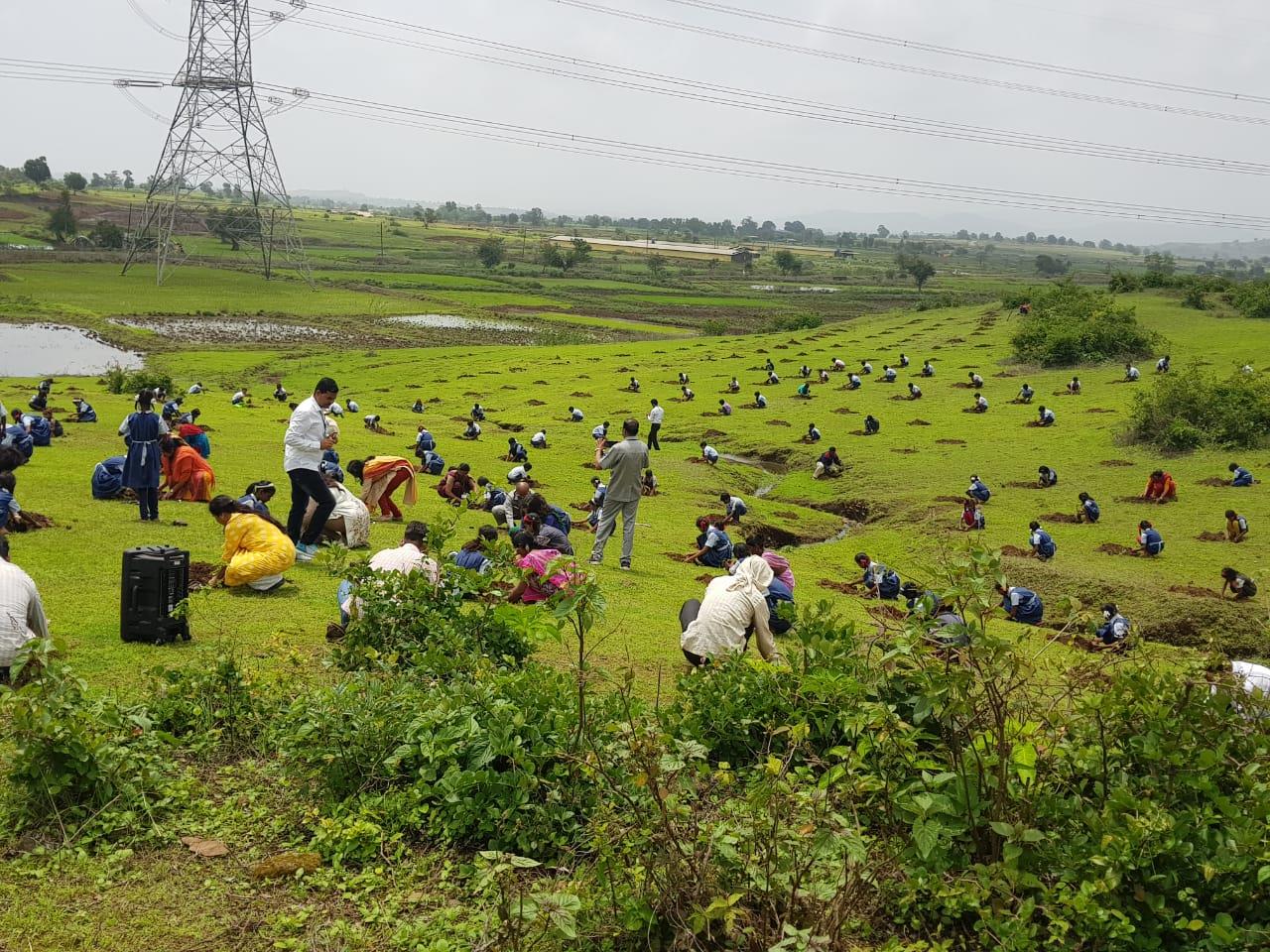
With students taking part, planting becomes more than an environmental activity. It becomes something they can see, care for and watch change over time.
You plant it today. Someone else benefits from it later.
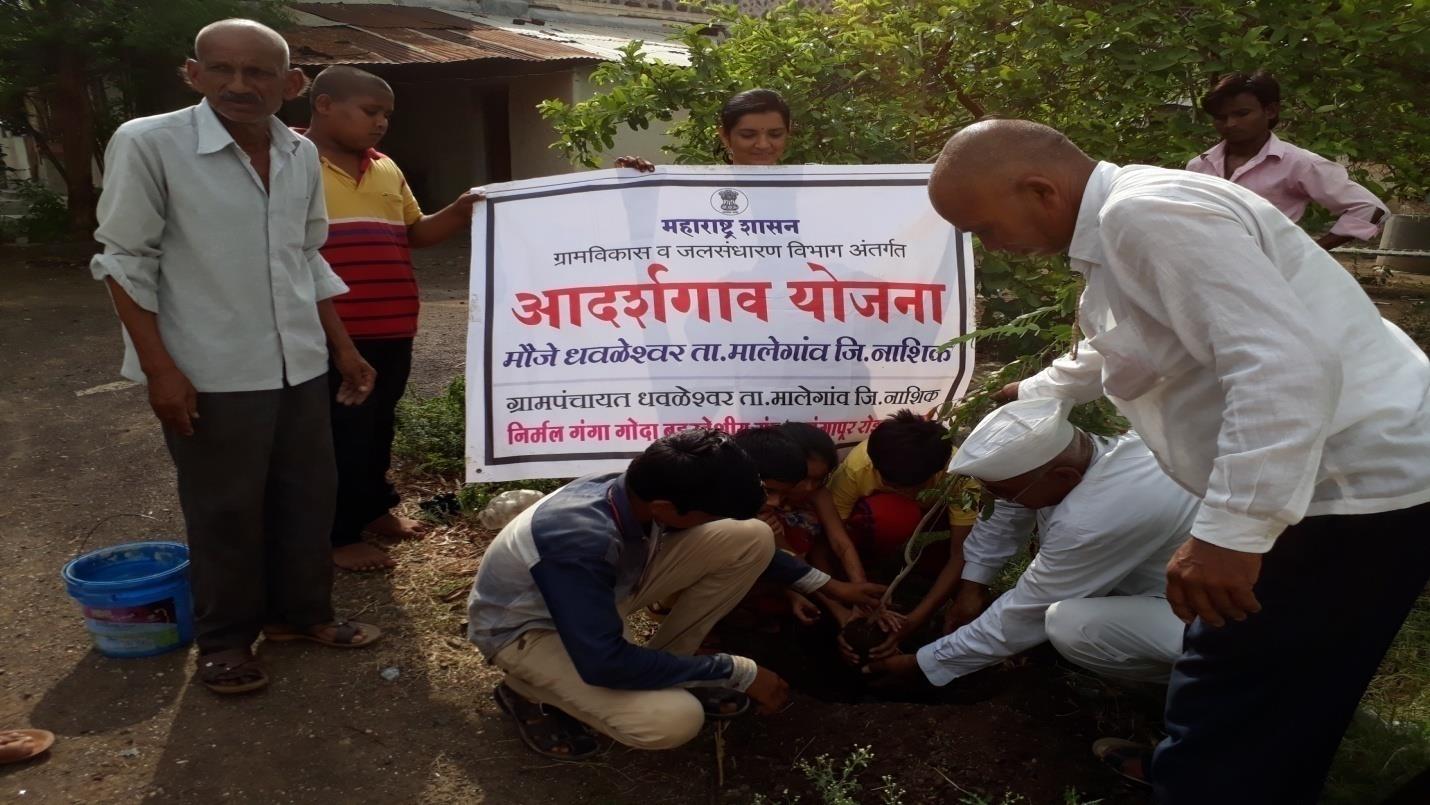
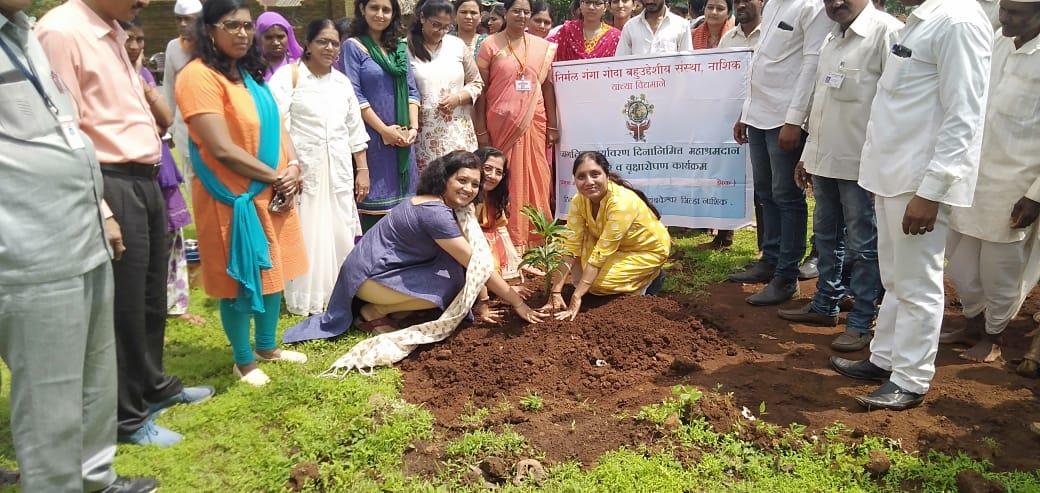
04
LEARNING FROM ONE ANOTHER
No village has to figure everything out alone.
Rural development also means stepping outside the village to see what others have tried.
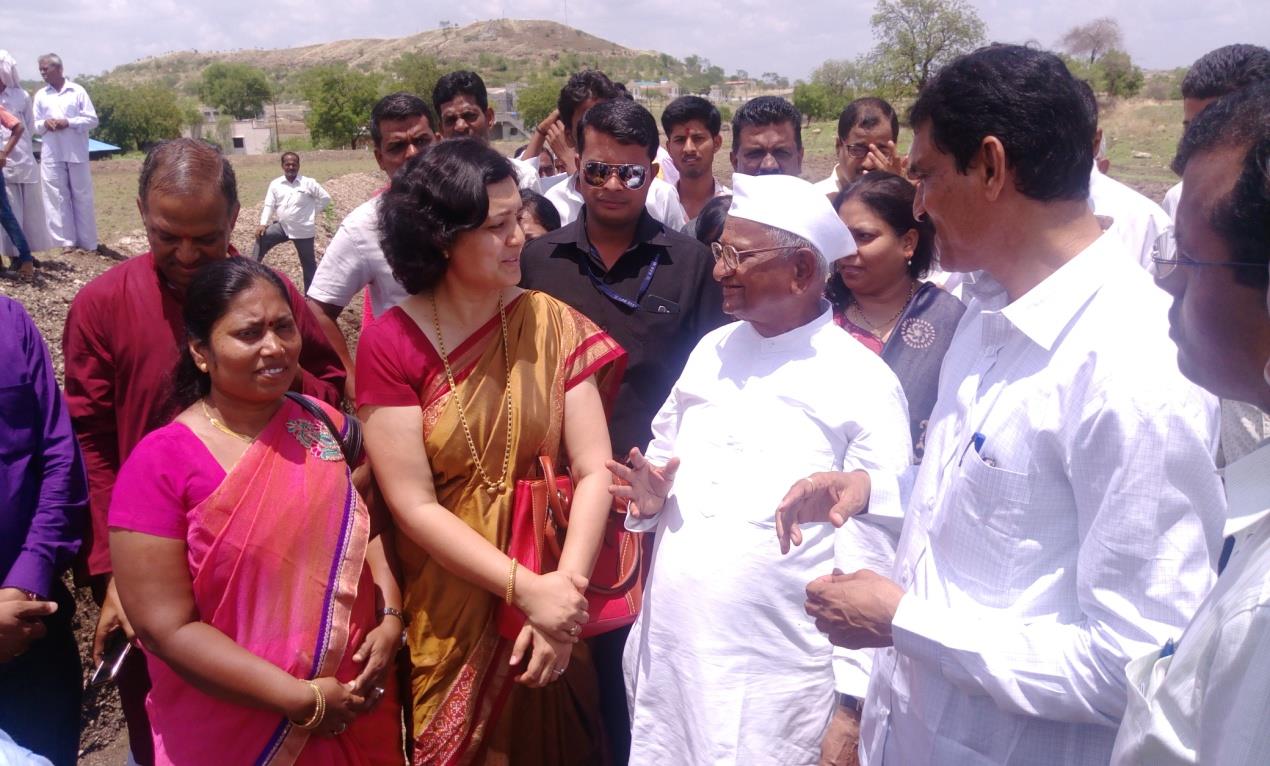
Our work has included a visit to Hivre Bazar involving Popatrao Pawar and Anna Hazare, as well as visits by government officials to Adarshgaon Dhaveleshwar.
A visit to the KrishiVidyan Bhavan and Honey Bee Center at YCMOU, Nashik created another opportunity for agricultural and beekeeping knowledge exchange.
These experiences add another part to the work: seeing what is possible, asking better questions, and bringing useful ideas back into local conversations.
Building on what the villages have already begun.
Our rural development work continues to focus on water conservation, land management, village infrastructure, environmental protection and community participation — building on what has already worked and responding to what each community needs next.